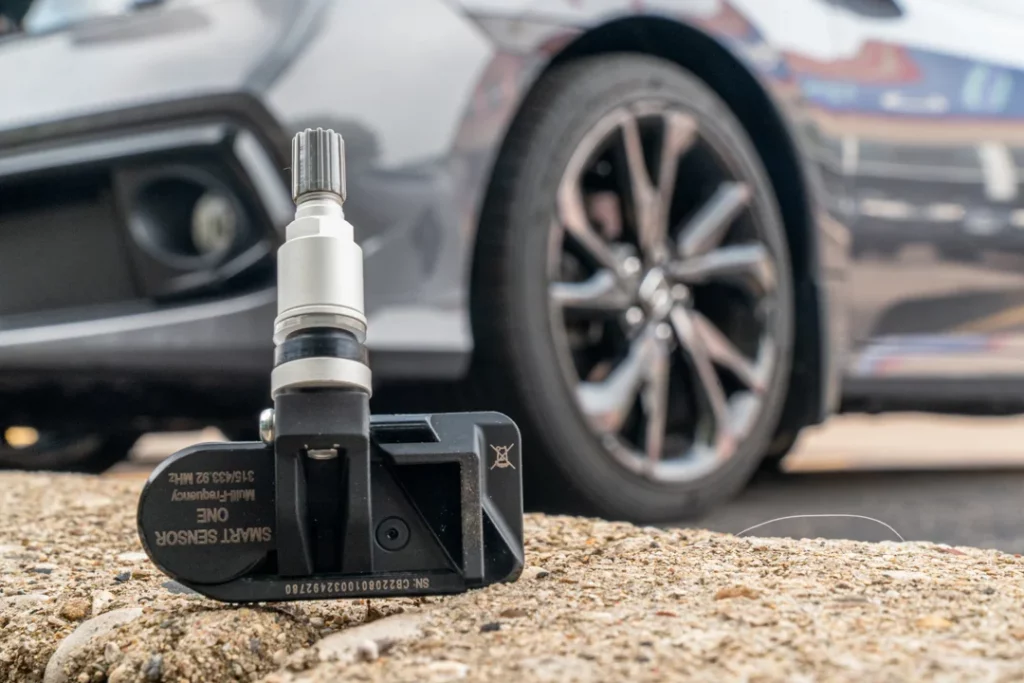
TPMS Systems at Precision Garage Wheels & Tires in Winter Haven are fully serviced to help keep your vehicle safe and your tires performing properly. Your Tire Pressure Monitoring System alerts you when tire pressure is too low, which can lead to poor handling, reduced fuel economy, and premature tire wear. If your TPMS light is on, flashing, or showing inaccurate readings, our technicians can diagnose the issue, inspect sensors, and recommend the right solution. We provide TPMS sensor testing, replacement, programming, and relearn procedures after tire installation or rotation. Whether you drive a daily commuter, a lifted truck, or a performance vehicle, we’ll ensure your system communicates correctly and your pressures are accurate. Visit us at 3220 Lake Alfred Rd, Winter Haven, FL for trusted service.
#1
#2
Book your appointment
#3

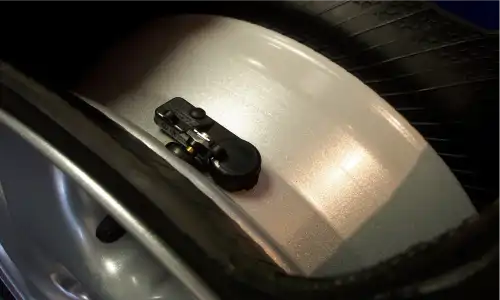
A tire pressure sensor is usually mounted inside each wheel, attached to the valve stem or banded to the rim. It sits within the tire, measuring air pressure and sending signals wirelessly to your vehicle’s TPMS system and dashboard.
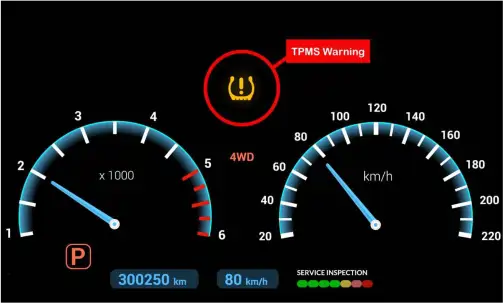
Your TPMS light may be on due to low tire pressure, a sudden temperature drop, a slow leak, or a puncture. It can also indicate a failing sensor battery, damaged sensor, or the system needing a relearn after tire service.
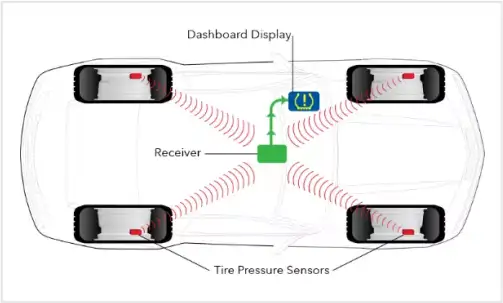
Tire pressure sensors, part of the TPMS system, measure air pressure inside each tire and send data wirelessly to your vehicle’s computer. If pressure drops below the safe range, the system triggers a dashboard warning light, helping prevent unsafe driving and uneven tire wear.
TPMS Systems use a TPMS sensor to monitor tire pressure and send readings to your vehicle’s computer, alerting you when pressure is low.
Common causes include low tire pressure, a damaged sensor, a weak sensor battery, or a system that needs a relearn after service.
Most last 5–10 years, depending on driving conditions and sensor battery life.
Not always, but it’s smart to inspect sensors and consider replacement if they’re old, corroded, or the battery is nearing end-of-life.
Yes, but it’s not recommended—without accurate alerts, you may drive on underinflated tires, increasing wear and safety risks.
Often yes. Many vehicles require programming or a relearn procedure after sensor replacement, tire rotation, or installing new wheels.